

The Ultimate Spring Home Maintenance Guide for Vermont Homeowners
Protect Your Home After a Long Vermont Winter
Winter in Vermont is beautiful — but it’s also tough on homes. Heavy snow, ice dams, freezing temperatures, and months of moisture can create hidden damage that often becomes visible once the snow melts.
Spring is the most important season for homeowners to inspect, repair, and prepare their property for the months ahead. According to the National Association of Home Builders, preventative maintenance can save homeowners thousands of dollars by catching issues early before they become major repairs.
For Vermont homeowners, the combination of snow load, freeze–thaw cycles, and spring rain makes seasonal maintenance especially important.
Below is a Vermont-specific spring maintenance checklist, along with common winter damage to watch for and a helpful timeline for tackling projects.
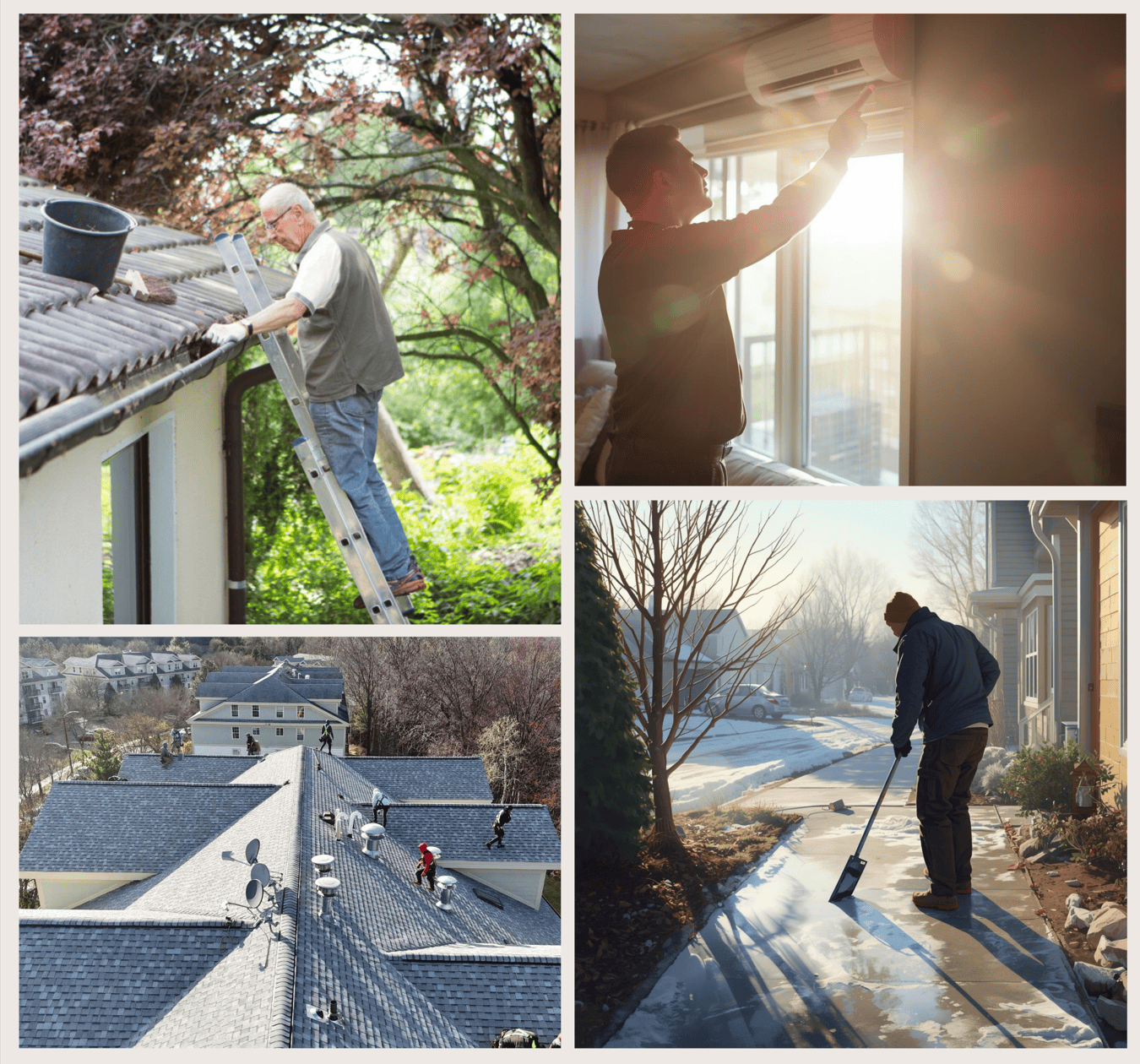
Vermont Spring Home Maintenance Checklist
Inspect Your Roof for Winter Damage
Vermont roofs often carry heavy snow loads for months. Ice dams, melting snow, and fluctuating temperatures can damage shingles and flashing.
The Insurance Institute for Business & Home Safety notes that roof damage is among the most common sources of winter-related home insurance claims.
Look for:
-
Missing or curled shingles
-
Loose flashing around chimneys and vents
-
Damaged roof edges from ice dams
-
Water stains or damp insulation in the attic
If your home experienced large ice dams this winter, a professional inspection is highly recommended.
Clean Gutters and Downspouts
As snow melts and spring rain arrives, gutters need to properly direct water away from your home.
The U.S. Department of Housing and Urban Development recommends cleaning gutters twice per year to prevent foundation damage and water infiltration.
Spring gutter tasks include:
-
Removing leaves and debris
-
Ensuring downspouts extend at least 4–6 feet away from the foundation
-
Checking for sagging sections or leaks
Clogged gutters can cause water to back up under shingles or pool around the foundation.
Inspect Your Basement and Foundation
Spring thaw often reveals moisture issues caused by melting snow and saturated ground.
According to the Federal Emergency Management Agency, flooding and water damage account for billions of dollars in homeowner losses every year.
Check for:
-
Cracks in foundation walls
-
Water pooling near the house
-
Damp basement floors or walls
-
Musty odors indicating moisture
If your home has a sump pump, test it before heavy spring rains arrive.
Service HVAC Systems
Your heating system worked hard all winter. Spring is the perfect time to schedule maintenance and prepare cooling systems.
The U.S. Department of Energy reports that replacing clogged air filters can improve HVAC efficiency by 5–15%.
Recommended tasks:
-
Replace HVAC filters
-
Schedule a professional system inspection
-
Clean vents and air returns
Many Vermont homes use heat pumps or mini-splits, which also require seasonal cleaning and servicing.
Check Windows, Doors, and Seals
Extreme cold can crack caulking and weather stripping around windows and doors.
The Energy Star estimates homeowners can reduce energy costs by up to 20% by sealing air leaks.
Look for:
-
Drafts around windows
-
Cracked or missing caulking
-
Damaged weather stripping
Sealing these areas now helps keep homes cool in summer and warm next winter.
Power Wash Exterior Surfaces
Winter often leaves behind dirt, mildew, and salt residue on exterior surfaces.
Consider cleaning:
-
Siding
-
Decks and patios
-
Walkways and driveways
-
Porch railings and steps
Power washing not only protects materials but also dramatically improves curb appeal.
Inspect Your Property for Winter Damage
When the snow melts, take a full walk around your property.
Common Vermont spring issues include:
-
Fallen branches or tree damage
-
Fence damage from snowplows
-
Gravel driveway washouts
-
Lawn ruts from melting snow
Early repairs prevent small issues from becoming bigger problems.
Common Vermont Winter Damage Homeowners Miss
Even well-maintained homes can experience hidden damage after winter.
Watch for:
Ice Dam Damage
Ice dams can push water under shingles and cause leaks in ceilings or walls.
Freeze–Thaw Cracks
Repeated freezing and thawing can expand cracks in concrete, foundations, and driveways.
Roof Vent Damage
Snow sliding off roofs can damage vent pipes or flashing.
Deck Board Splitting
Moisture and freezing can cause wood decking to split or loosen.
Driveway Frost Heaves
Frozen ground can push pavement upward, creating uneven surfaces.
Month-by-Month Vermont Spring Maintenance Timeline
March / Early Spring
-
Inspect roof and gutters
-
Check basement for moisture
-
Test sump pump
-
Look for ice dam damage
April
-
Clean gutters and downspouts
-
Service HVAC systems
-
Seal windows and doors
-
Repair driveway damage
May
-
Power wash exterior surfaces
-
Stain or seal decks
-
Start landscaping and garden beds
-
Prepare outdoor living spaces
Why Maintenance Matters for Vermont Homeowners
Your home is likely your largest investment. Regular upkeep protects property value and reduces long-term repair costs.
According to the National Association of Realtors, well-maintained homes tend to sell faster and command stronger prices because buyers feel confident the property has been properly cared for.
This is especially true in Vermont, where seasonal weather conditions can impact homes more dramatically than in milder climates.
Trusted Resources for Vermont Homeowners
Here are helpful organizations and resources homeowners can use for maintenance guidance and home safety:
National Homeowner Resources
-
National Association of Home Builders – Home maintenance and construction guidance
-
U.S. Department of Energy – Energy efficiency tips for homeowners
-
Energy Star – Energy-saving home upgrades
-
Federal Emergency Management Agency – Flood and disaster preparedness
Vermont-Specific Resources
-
Efficiency Vermont – Rebates and home efficiency programs
-
Vermont Department of Public Safety – Emergency preparedness resources
-
Vermont Agency of Natural Resources – Water protection and property guidance
-
Vermont Housing Finance Agency – Homeownership resources
Need Local Vermont Contractor Recommendations?
At Prime Real Estate, we help homeowners long after the closing table. Our team has built relationships with trusted Vermont professionals including:
-
Roofing specialists
-
HVAC technicians
-
Landscapers
-
Contractors
-
Property maintenance experts
If you ever need a recommendation or want to know what your home might be worth in today’s Vermont market, we’re always happy to help.
Your home deserves expert care — and we’re here whenever you need us.