
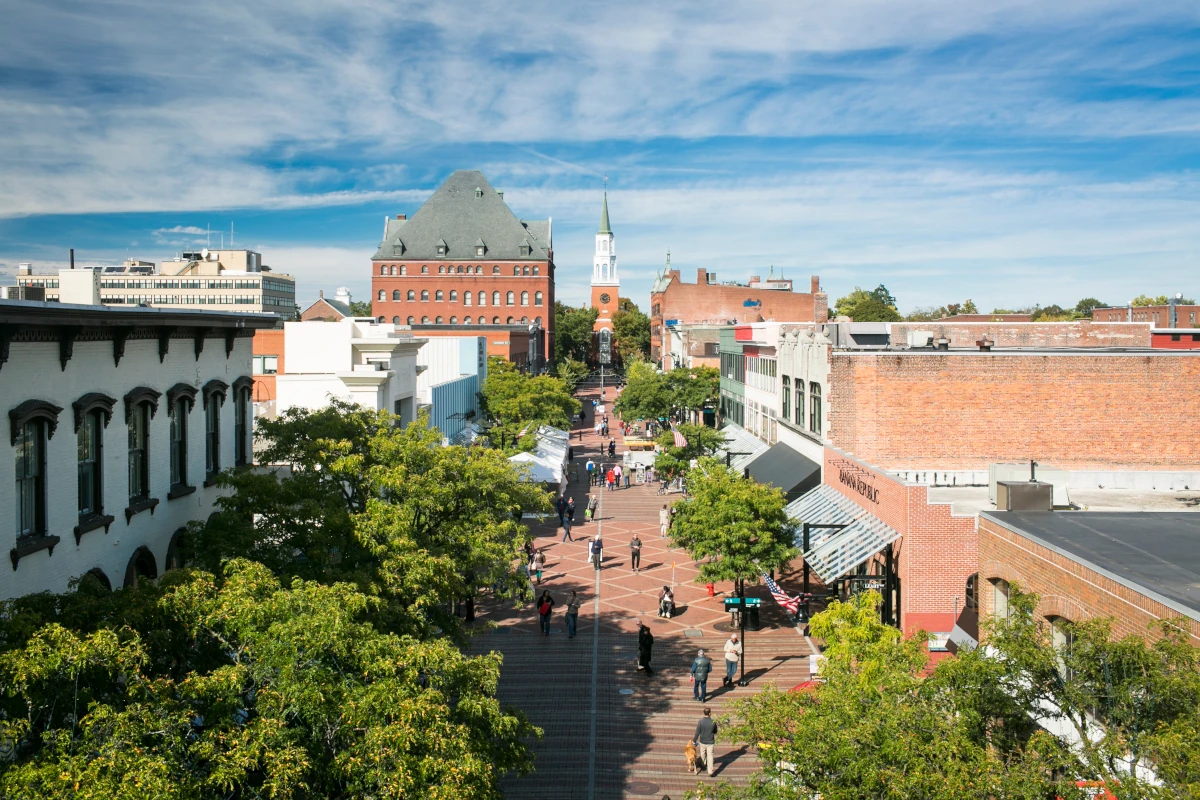
If you’ve ever dreamed of trading traffic for mountain views and maple syrup, Vermont might just be your next home sweet home. But before you start house-hunting, it’s important to understand what makes each Vermont neighborhood unique, from property taxes and heating systems to broadband access and flood zones.
Here’s your complete, easy-to-digest guide to buying in Vermont, packed with local stats, real estate tips, and insider info from our team at Prime Real Estate Co.
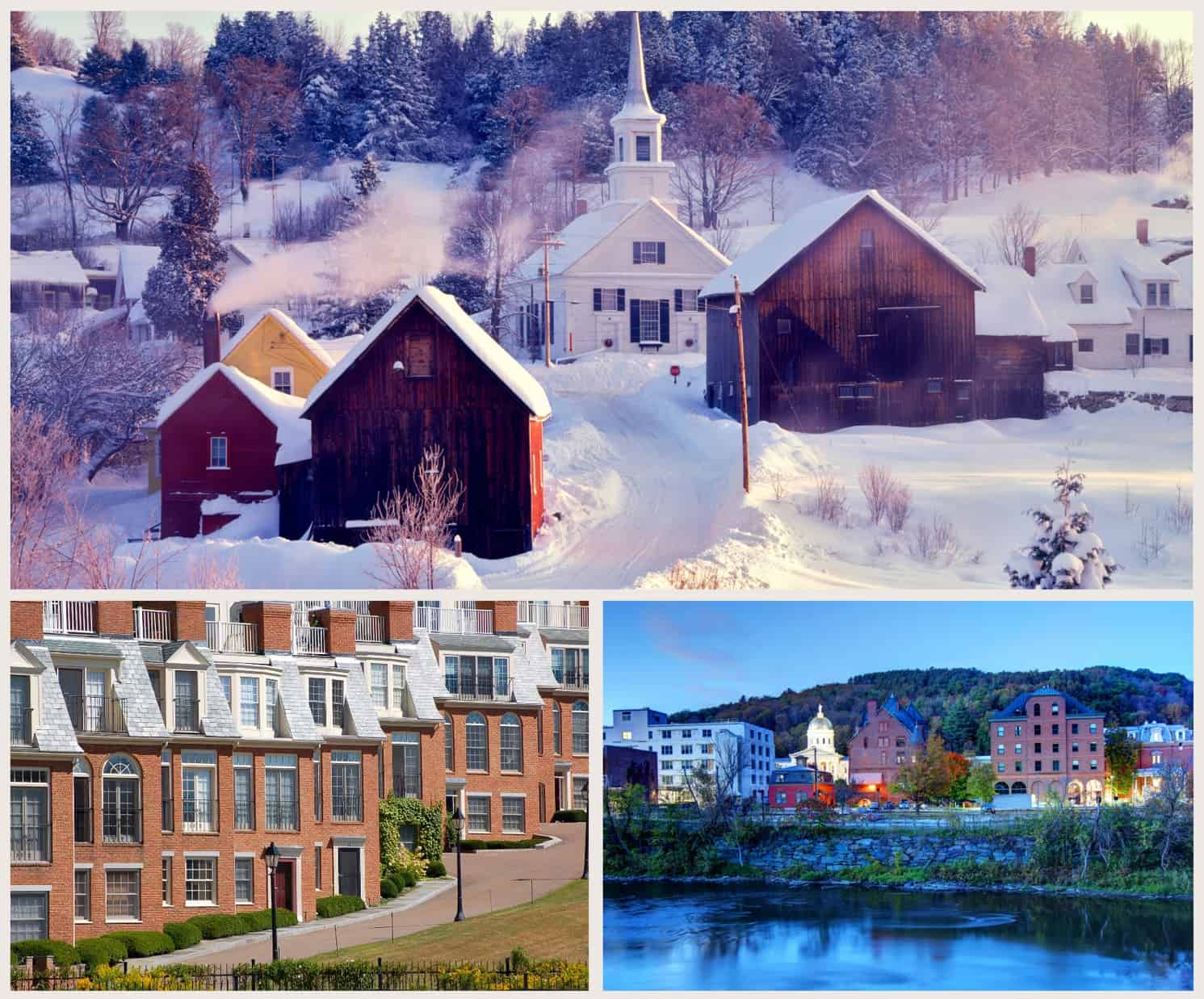
Quick Market Snapshot (2025)
Vermont’s real estate market remains strong heading into 2025:
-
Median home price: around $500,000 statewide (up about 5% year-over-year)
-
Condos: averaging $370,000
-
Average days on market: about 43 days
-
Inventory: roughly 3–4 months of supply; still a seller’s market but improving
👉 Translation: Homes are moving, but buyers are finally getting a bit more breathing room to compare options and negotiate.
Commute, Convenience & Connectivity
The average Vermont commute is about 23–24 minutes, which means less time on the road and more time enjoying your home.
Before choosing a town, check:
-
Snow removal: Who maintains the roads? The town, HOA, or you?
-
Broadband access: Vermont’s expanding fiber network aims to reach 99% coverage, but rural gaps remain. Always verify coverage at the exact address.
Pro tip: If you work remotely, reliable internet is just as important as a cozy fireplace.
Property Taxes & Cost of Ownership
Vermont’s average effective property tax rate is around 1.4% — higher than the national average but balanced by strong local services and schools.
Homeowners may qualify for Vermont’s Property Tax Credit, which can reduce your annual bill by up to $8,000 depending on income. Don’t forget to file your Homestead Declaration (Form HS-122) each year!
Pro tip: Tax rates vary town by town. Before you fall in love with a neighborhood, ask your lender or Realtor to calculate estimated property taxes for that specific address.
Heating, Energy & Winter Costs
Vermont winters are magical, but they’re also long! Understanding how a home is heated is key to budgeting.
-
56% of Vermont homes heat with fuel oil or propane
-
About 14% use wood or pellets
-
Heat pumps are becoming popular for their efficiency and cost savings
Ask about:
-
The age of the heating system
-
Whether there’s insulation or energy upgrades
-
The average annual heating cost
A cozy home is great but an energy-efficient one is even better!
Flood Zones, Wells & Water
Vermont’s rolling hills and rivers make for beautiful scenery, but also potential flood zones.
Starting September 2025, new state laws require sellers to provide a FEMA flood map or link, but they no longer have to say whether a property is in a flood zone. That means it’s up to buyers to double-check.
Also, don’t forget:
-
Radon is common (about 1 in 7 homes), testing is simple and smart.
-
If the home has a private well or septic, request recent water tests and pump records.
Pro tip: These aren’t red flags, just Vermont realities. With the right information, you can make a confident decision.
Short-Term Rentals & Local Rules
If you’re dreaming of Airbnb income, make sure you know the rules.
-
Burlington: STRs are limited to your primary residence.
-
Stowe: STRs must be registered with the town (new rule as of May 2025).
-
Statewide: Vermont collects a 3% short-term rental tax on top of the rooms tax.
Always verify zoning, registration, and tax requirements before buying an investment property.
Schools, Lifestyle & Community
Vermont towns are known for their sense of community; small schools, local coffee shops, farmers markets, and endless trails.
When comparing neighborhoods, think about:
-
Commute and snow routes
-
Local school programs and district reputation
-
Proximity to amenities (some rural areas may require a drive to grocery stores or hospitals)
Each town offers a distinct personality, from Burlington’s waterfront vibe to Williston’s suburban feel, or Stowe’s resort-style mountain life.
Vermont Homebuyer Programs
Vermont makes homeownership easier with several local programs:
-
VHFA ASSIST Program: Up to $10,000 in down payment help (0% interest, no monthly payments)
-
First-Generation Homebuyer Grant: Up to $15,000 toward your purchase
-
MOVE / MCC Mortgage Options: Competitive rates for first-time and repeat buyers
Eligibility and price caps vary by county, so talk to your lender or Realtor early.
How to Compare Neighborhoods Like a Pro
When narrowing down your options, look beyond the price tag. Ask yourself:
-
What are the annual property taxes?
-
How high are heating and electric costs?
-
Is the property in a flood or radon zone?
-
How fast is the internet connection?
-
What’s the average resale value trend in the area?
Your Realtor can help run side-by-side comparisons to make sure you’re getting value and peace of mind.
The Bottom Line
Buying in Vermont means more than just purchasing a home — it’s choosing a lifestyle. From the Green Mountains to Lake Champlain, every community has its own charm and rhythm.
With the right guidance (and a little maple syrup on the side), you’ll find the perfect neighborhood to call home.
Ready to start exploring Vermont’s best neighborhoods?
Let Prime Real Estate Co. help you compare local markets, understand town rules, and find a home that fits your lifestyle and your budget.
📞 Contact us today for a custom neighborhood analysis and 2025 market report.